Digital supplement of the paper "Research on the biology of terrestrial isopods: A historical survey" by Helmut Schmalfuss published in Acta Zoologica Academiae Scientiarum Hungaricae 64 (3), pp. 193–215, 2018 (https://doi.org/10.17109/AZH.64.3.193.2018)
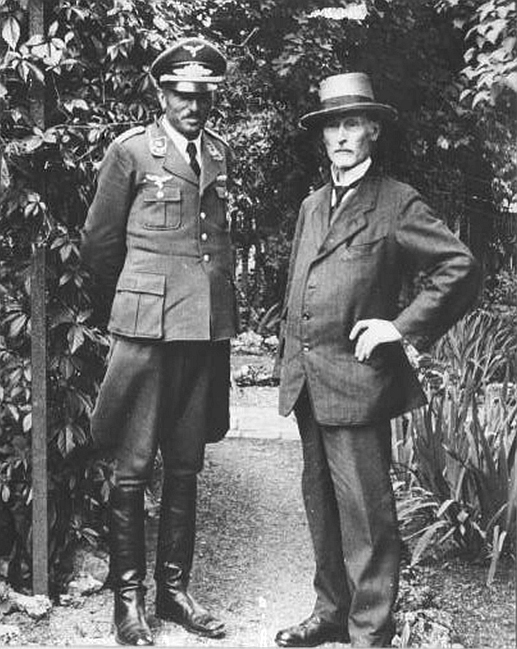
Fig. 9. Hans Strouhal (left) and Karl Verhoeff (right) 1943 in the Botanical Garden of Munich (the photograph was discovered in the Zoologische Staatssammlung in Munich)
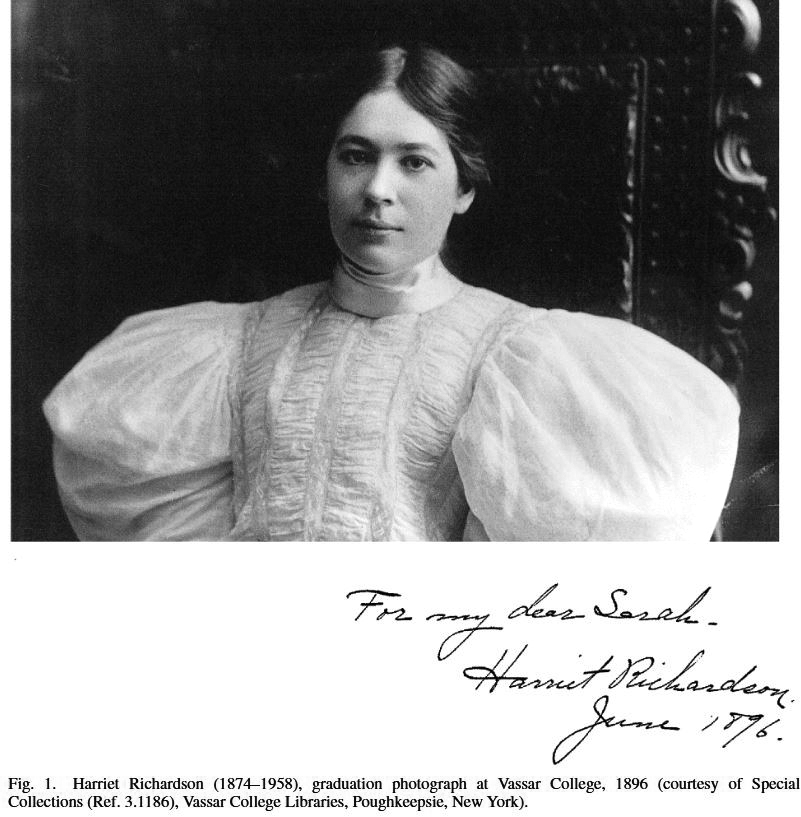
Fig. 10. Harriet Richardson (1874–1958), important isopod researcher from the USA (photograph published the year 2000 in a biographic article of David Damkaer in the Journal of Crustacean Biology, vol. 20)
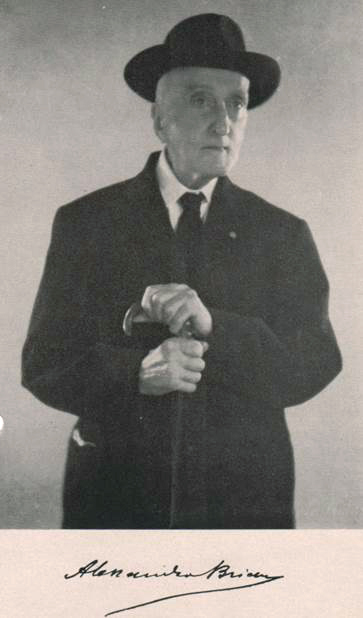
Fig. 11. Alessandro Brian (1873–1969), Italian isopod researcher (photograph published in an obituary by the Societá degli Amici del Museo civico di Storia naturale “Giacomo Doria” in 1970)
Up to now authors were portrayed who were active already before World War II, the following photographs depict “extant” isopodologists who started their career after 1945 (exception: Borutzky and Radu)
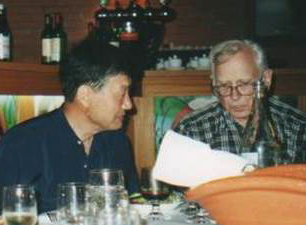
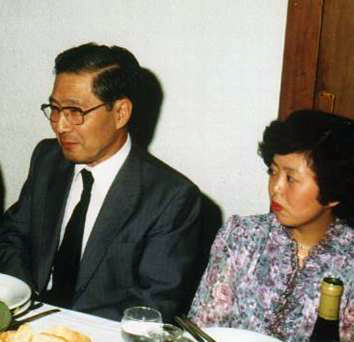
Fig. 12. George Schultz (right, USA) with Japanese colleague in Aveiro (Portugal) 2004
Fig. 13. Paula de Araujo from Porto Alegre (southern Brazil) in Tunis 2007 (with body guards)
Fig. 14. Paula de Araujo without body guards, Aveiro 2004
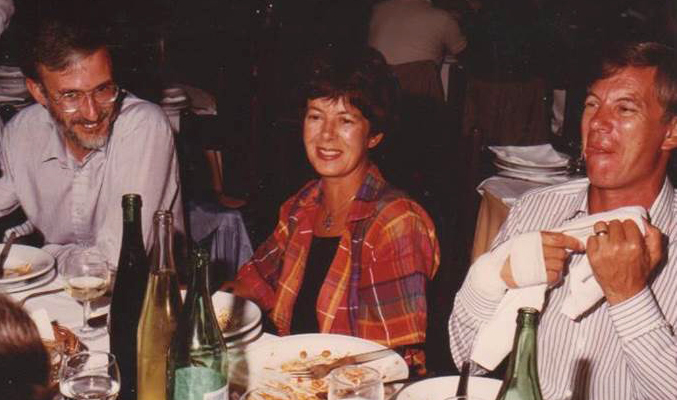
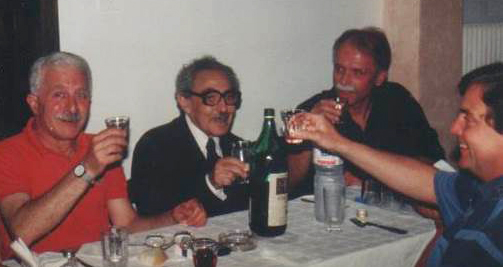
Fig. 15. Paul Harding (left) and Stephen Sutton (right) in Urbino 1986
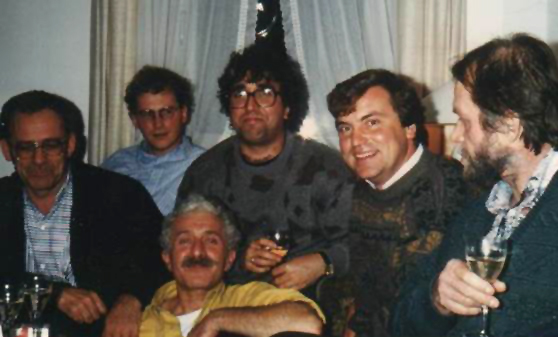
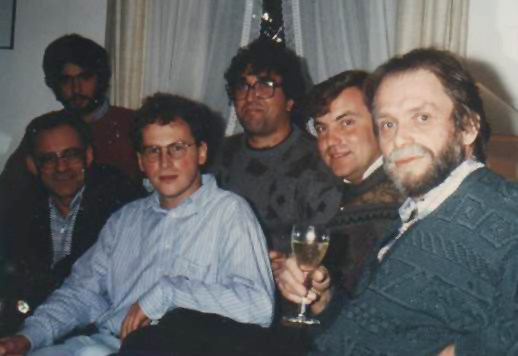
Fig. 16. Informal meeting of isopodologists in Stuttgart (Germany) 1992. From left to right: Bernd Hoese (Germany), Friedhelm Erhard (Germany), Franco Ferrara (Italy), Rafael Rodriguez (Spain), Stefano Taiti (Italy) and Helmut Schmalfuss (Germany)
Fig. 17. As before, from left to right: Bernd Hoese, Spyros Sfenthourakis (Greece), Friedhelm Erhard, Rafael Rodriguez, Stefano Taiti and Helmut Schmalfuss
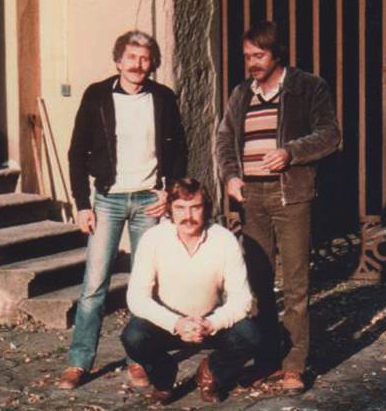
Fig. 18. Florence (Italy) 1981, from left to right: Franco Ferrara, Stefano Taiti and Helmut Schmalfuss
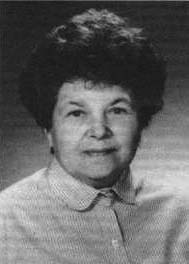
Fig. 19. Marie Flasarová (1934–2000), isopod researcher from the Czech Republic (from an obituary by Szlávecz and Tajovský 2003, published in: The Biology of Terrestrial Isopods. Crustaceana Monographs 2)
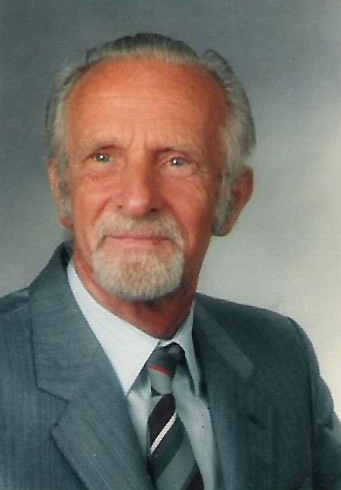
Fig. 20. Karl Schmölzer (1925–2004), zoologist from Austria (from the obituary by SCHEDL (2005)
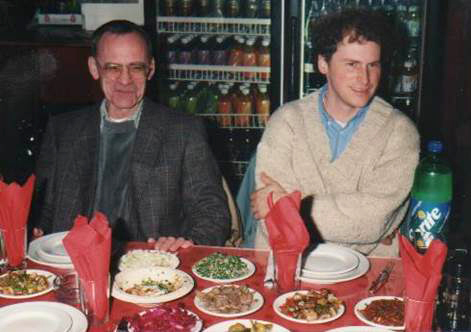
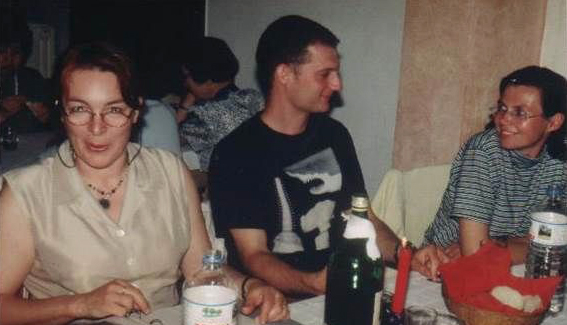
Fig. 21. Iraklio (Greece) 2001, from left to right: Franco Ferrara, Ionel Tabacaru, Helmut Schmalfuss and Stefano Taiti
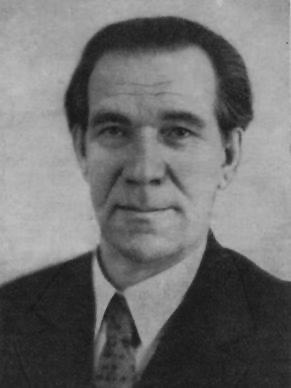
Fig. 22. The Russian zoologist E. W. Borutzky (Moscow, 1897–1976) (from an article commemorating his 70th birthday, which appeared 1968 in the Byull. Mosk. Obshch. Ispyt. Prir. (Biol.) 73: 147–156).
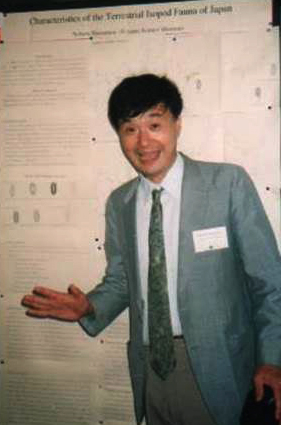
Fig. 23. Noboru Nunomura in Amsterdam 1998
Fig. 24. Carnivorous isopodologist: Spyros Sfenthourakis in Aveiro 2004
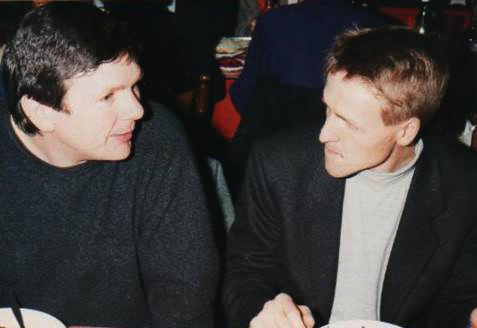
Fig. 25. Omnivorous isopodologists: Bernd Hoese (left) and Friedhelm Erhard in Haifa 1997
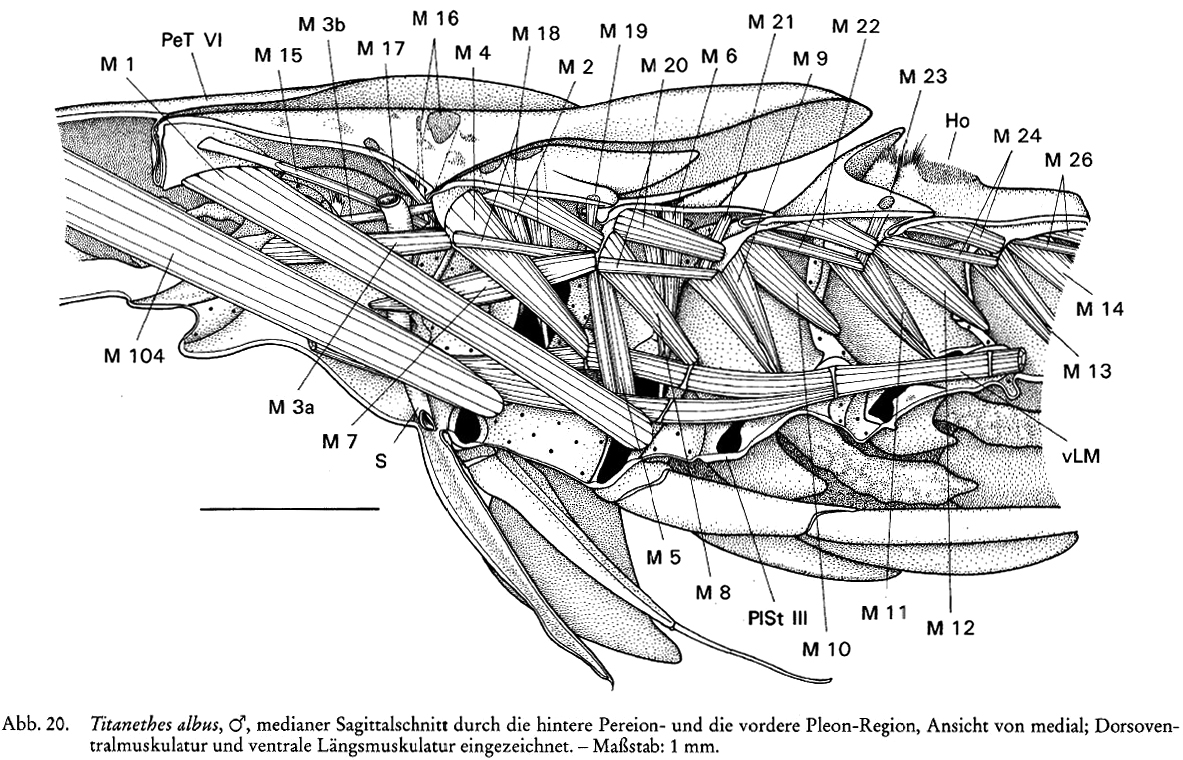
Fig. 26. Abdominal anatomy of Titanethes, from ERHARD (1997)
Fig. 27. Jasna Štrus and colleagues from Slovenia in Iraklio 2001
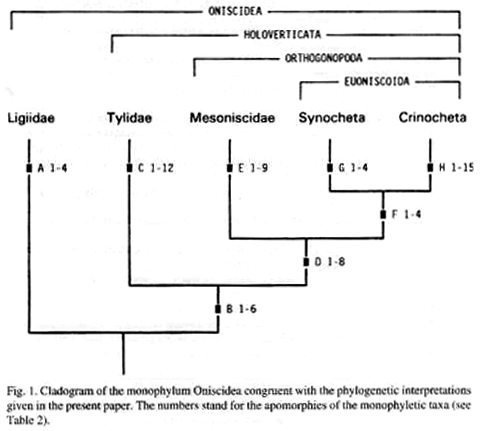
Fig. 28. Phylogenetic relationships inside the Oniscidea, from ERHARD (1998)
Fig. 29. Andreas Ziegler and Martin Zimmer (both from Germany) in Haifa 1997
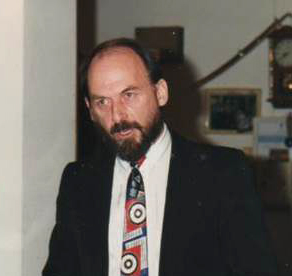
Fig. 30. Mark Hassall from England, serious, Haifa 1997
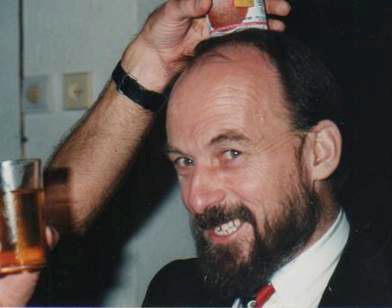
Fig. 31. Mark Hassall less serious, Haifa 1997
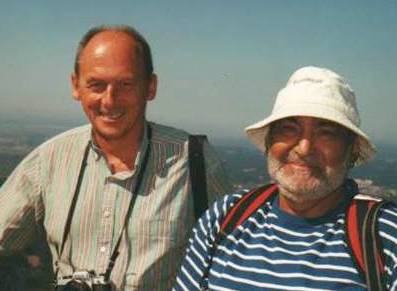
Fig. 32. Mark Hassall and A. M. Alikhan (Canada) in Aveiro 2004
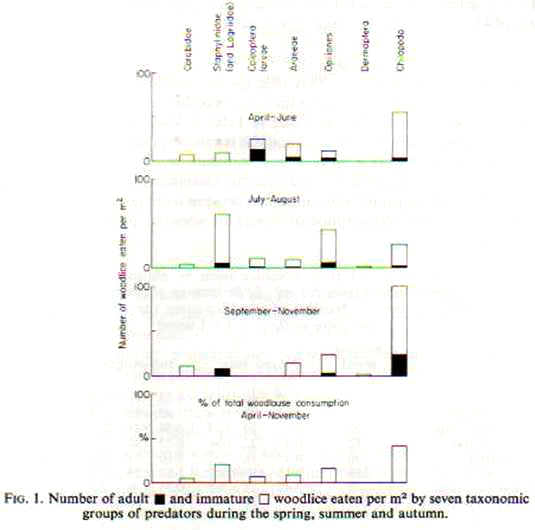
Fig. 33. Serological study of arthropod predation on woodlice, from SUNDERLAND & SUTTON (1980)
Fig. 34. Thomas Carefoot (Canada) in Haifa 1997
Fig. 35. Elisabeth Hornung (Hungary) in Haifa 1997
Fig. 36. Michael Warburg (Israel) in Haifa 1997
Fig. 37. The team of Faouzia Charfi-Cheikhrouha (middle) from Tunisia in Aveiro 2004
Fig. 38. Karl-Eduard Linsenmair (Germany) in Urbino 1986
Fig. 39. Moshe Shachak in Sede Boqer (central Israel) during the symposium in Haifa 1997
Fig. 40. J. Mocquard (left) and P. Juchault (from Poitiers, southern France) in Urbino 1986
Fig. 41. Y. Katakura and Y. Hasegawa in Urbino 1986
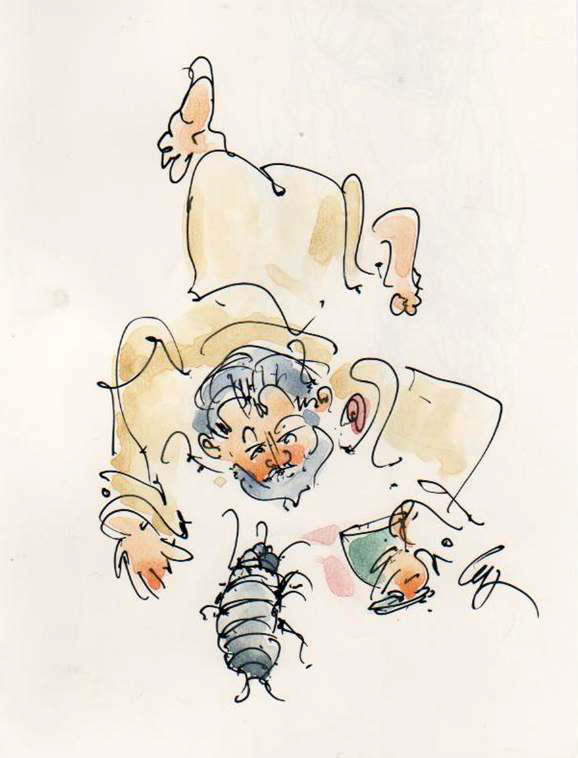
Fig. 42. Aristoteles as isopod researcher (artist: Ulf Harr)